LRC
Sharp minds and unfiltered conversations—Nitin Sukhija brings you wisdom with a twist!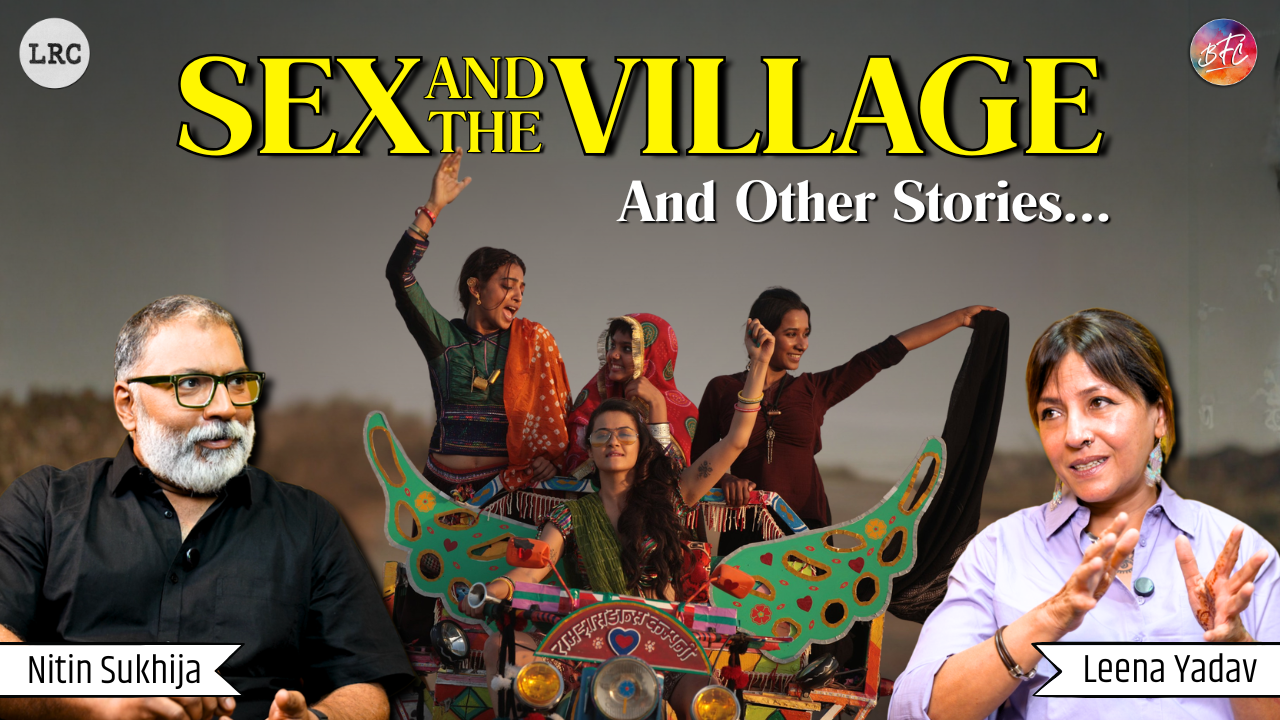
In this episode of Left, Right, Centre with nitin Sukhija, we sit down with acclaimed Indian filmmaker Leena Yadav - director, producer, screenwriter, and editor behind Parched , Shabd, Teen Patti, and Netflix’s House of Secrets: The Burari Deaths. She opens up about her journey from working as an editor to becoming a director, and how editing shaped her visual language and storytelling instincts. Leena also shares how the original idea of one of her most celebrated films began as “Sex and the Village,” before eventually evolving into something totally different — a bold and deeply moving exploration of women, intimacy, desire, and freedom. We also discuss the Male Gaze vs the Female Gaze , feminist cinema in India, and the backlash she faced, including threats over the intimate scenes in Parched. The conversation then moves into True Crime as Leena talks about directing House of Secrets: The Burari Deaths and unpacking the chilling mystery of the Burari deaths. Leena also sheds light on the discrimination women filmmakers still face in Indian Cinema , and how many people were hesitant to work with her simply because she was a woman.
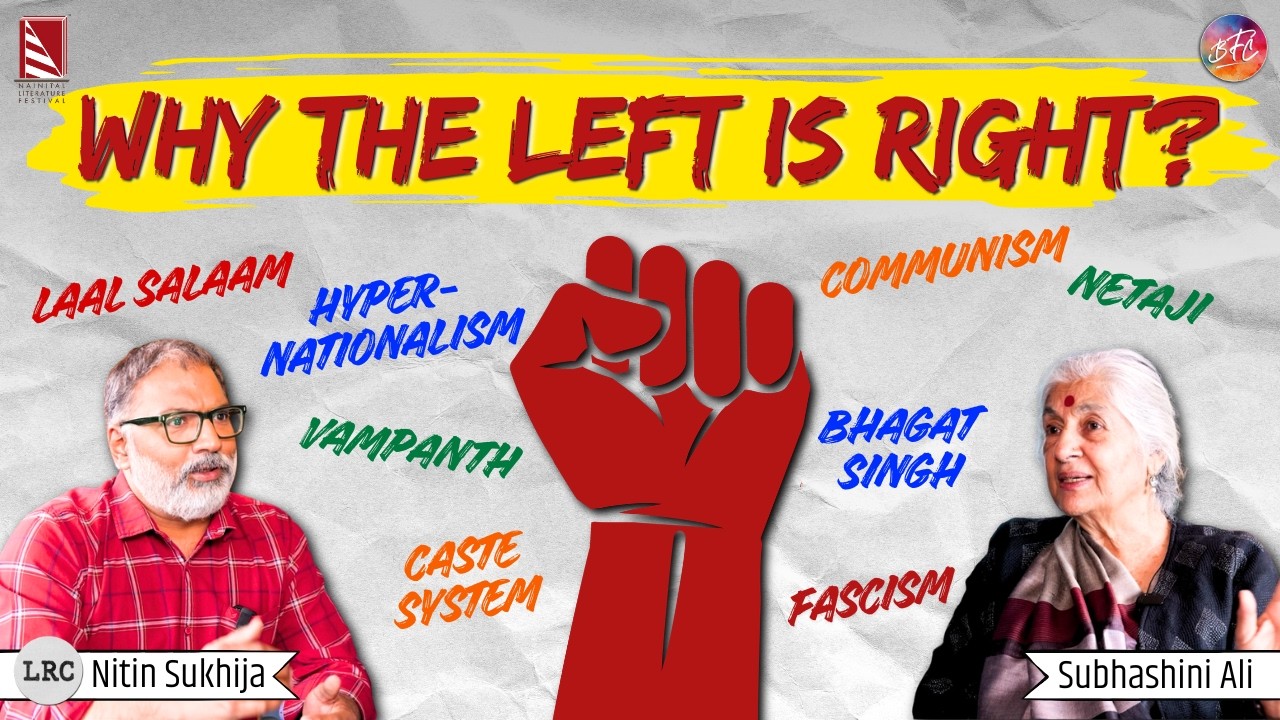
In this episode of LRC with Nitin Sukhija, shot in collaboration with the Nainital Literature Festival, our festival partner, we are joined by Subhashini Ali, member of the Communist Party of India (Marxist), former President of the All India Democratic Women’s Association, and former Member of Parliament from Kanpur, Uttar Pradesh. The conversation explores the evolving realities of Communism in India, the deep-rooted challenges of the Caste System, and the ongoing clash between Left Wing and Right Wing politics. She also shares her sharp criticism of KK Venugopal, particularly regarding his silence on majoritarianism at his book launch, and reflects on her family’s legacy - how her parents, Captain Lakshmi Sahgal and Lieutenant Colonel Prem Sahgal, shaped her journey into communism and activism. We discuss attempts by the right wing to appropriate figures like Bhagat Singh and Subhash Chandra Bose, why such efforts remain contested, and whether communism has declined in India despite retaining strength in Kerala. The conversation also examines the role of institutions like JNU and bodies such as the UGC in shaping political narratives, and whether the 2024 elections mark a turning point or signal deeper constitutional shifts, raising important questions about how history is being interpreted in contemporary India. We also discuss her political roots, family background, and her role as King Ashoka’s mother in the film Asoka.
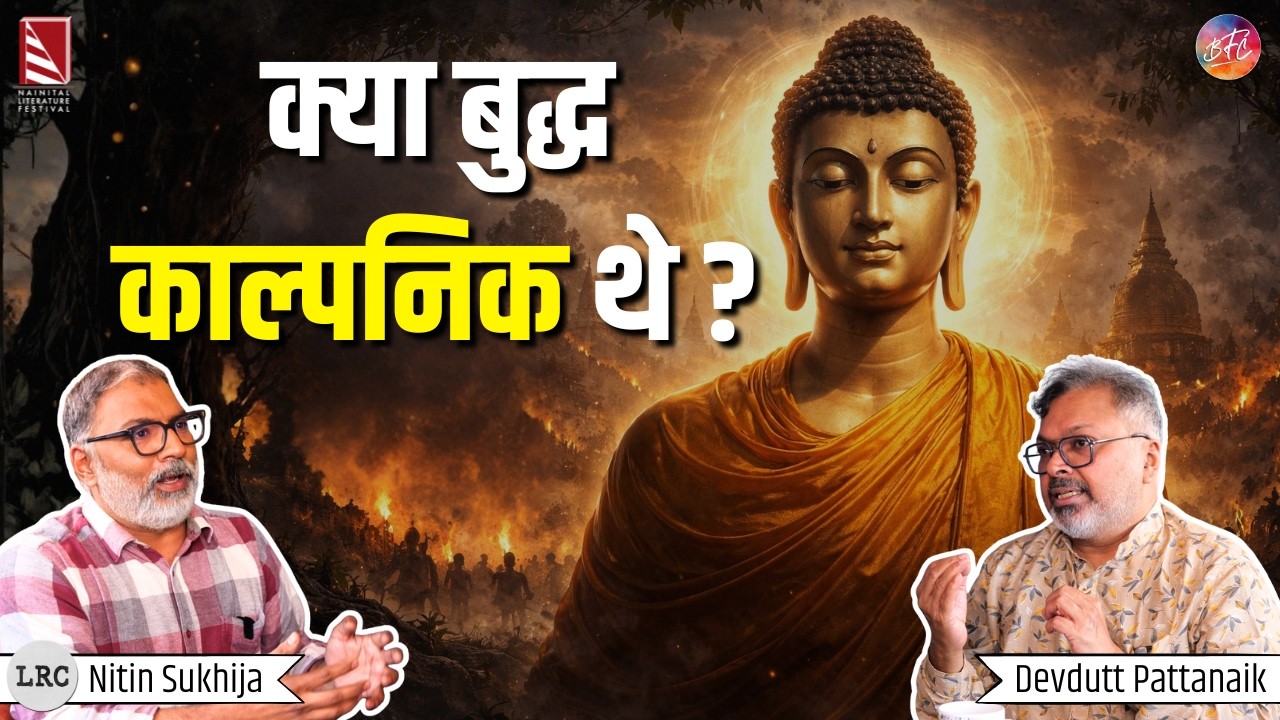
In this episode of LRC with Nitin Sukhija, we are joined by Devdutt Pattanaik, a celebrated mythologist and author of bestselling books like Jaya, Sita, and Myth = Mithya. The conversation begins with one of humanity’s oldest questions: Does God Exist? We also discuss whether figures like Buddha should be understood as historical beings, spiritual ideas, or mythic symbols. Moving beyond Hindu and Indian Mythology, the discussion travels across Islam, Christianity, Buddhism, and shared civilisational stories, examining how religions often intersect through symbols, narratives, and memory. Devdutt Pattanaik also reflects on the mythological connections between India and Iran, the legacy of Arya Samaj, and how ancient cultural exchanges continue to shape modern identities. A major part of this discussion also focuses on the growing tension between Religion and History, and how politics has increasingly divided both. When myths are treated as facts and history is used as ideology, what happens to society’s ability to coexist? This interview unpacks how narratives are weaponised and why mythology was never meant to be rigid. We also dive into Shiva’s place in the evolution of Hindu thought, and how Shaiva ideas laid some of the philosophical foundations of what we understand today as Hinduism.
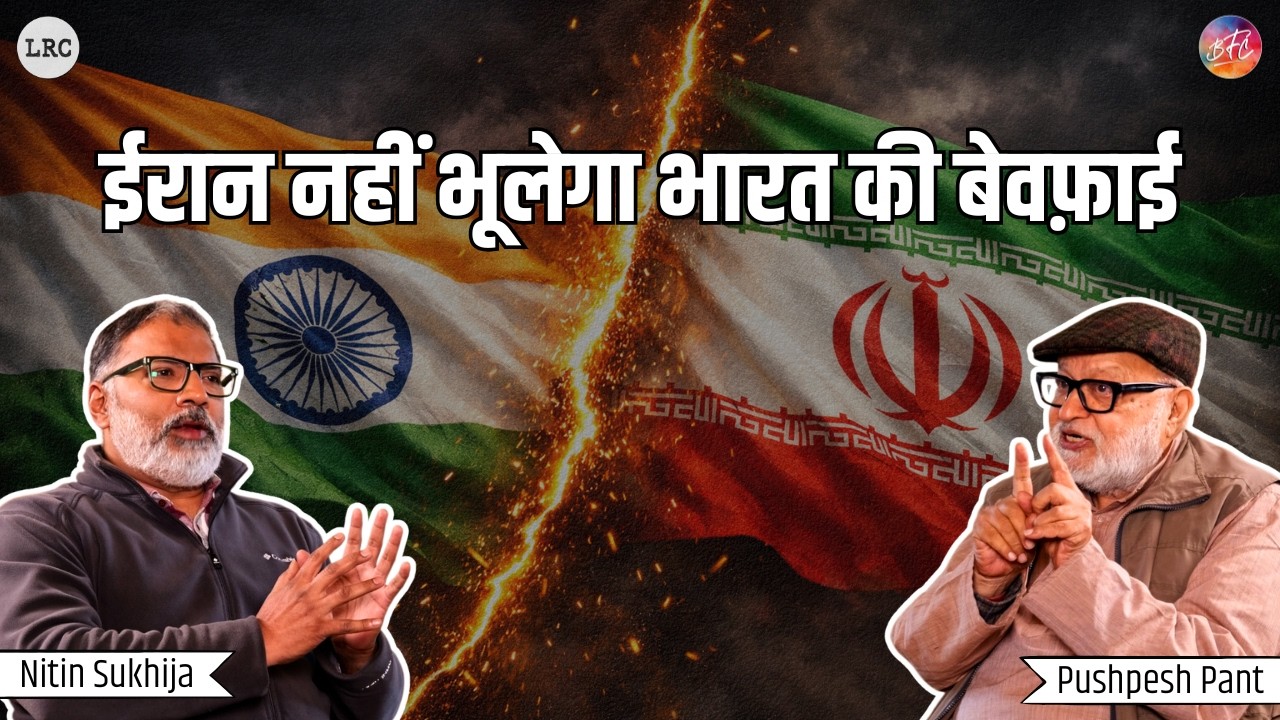
In this episode of Left Right Centre, with Nitin Shukhija and shot in collaboration with the Nainital Literature Festival, who are our festival partner, we are joined by Professor Pushpesh Pant who is an expert in international relations and a noted food historian for a wide-ranging conversation on the escalating tensions between Israel and Iran and what the Israel Iran War could mean for global politics and India’s foreign policy. We discuss how India’s evolving alliances in the region may become complicated in the long run and the role of the United States in intensifying the conflict. The conversation also examines the political symbolism around Iran’s leadership, including the influence of Ali Khamenei , and how the current geopolitical situation could reshape West Asian dynamics. Alongside the politics, Pushpesh Pant brings a fascinating cultural lens, reflecting on the deep historical connections between India and Iran, especially through food traditions such as biryani, culinary exchanges, and shared cultural influences that go back centuries. This discussion moves beyond headlines to explore history, diplomacy, and culture, offering a nuanced perspective on the Israel Iran War, India’s strategic dilemmas, and the enduring India–Iran connection.
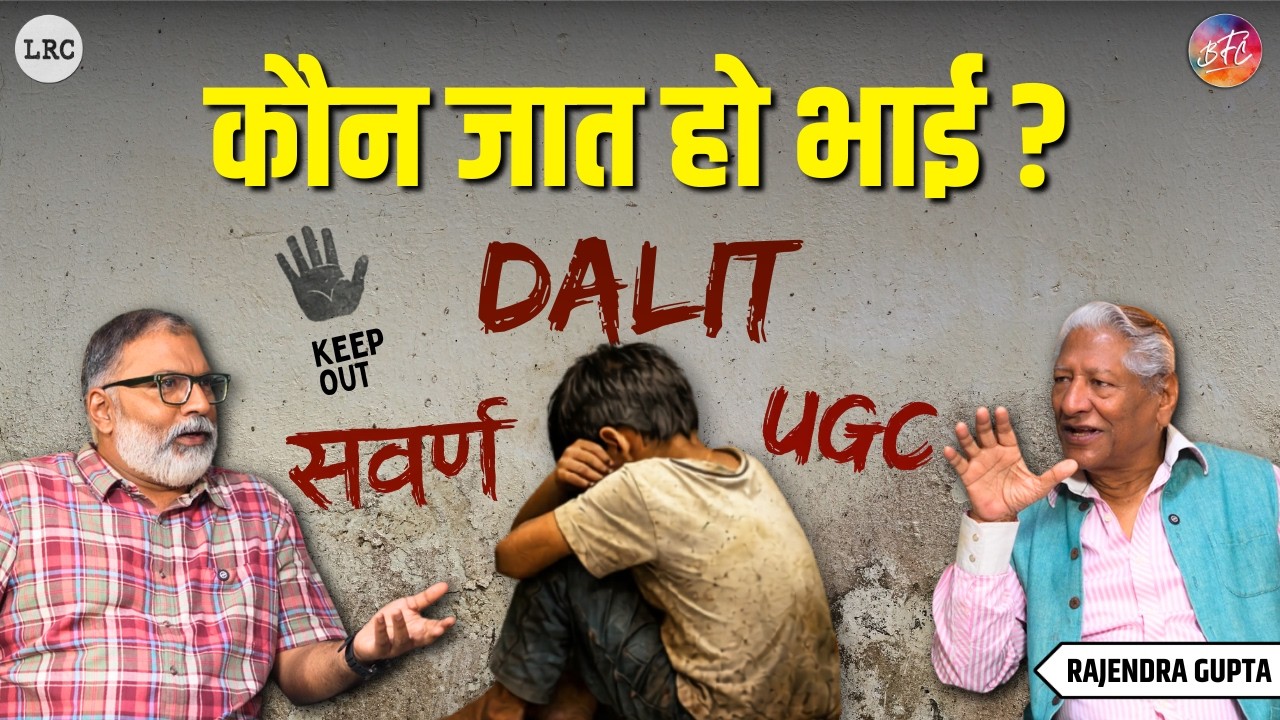
In this episode of Left, Right, Centre, with Nitin Sukhija, we are joined by veteran theatre artist and actor Rajendra Gupta, who reflects on his journey from stage to screen and shares his views on Caste and Reservation in India. We discuss the caste system in India, the realities of caste discrimination, and the continuing debate around reservations. The conversation also touches on the recent UGC controversy and the broader question often asked in public discourse: why reservation in India remains relevant today. Rajendra Gupta also looks back at his journey as a theatre artist, his time at National School of Drama NSD , and how that experience shaped his craft before he moved into television and Indian Cinema, including the many Rajendra Gupta serials that audiences recognise him from. He also shares memories of actors like Naseeruddin Shah and Om Puri, recalling how their theatre roots shaped them, even as many actors from that generation eventually saw films as their ultimate destination.
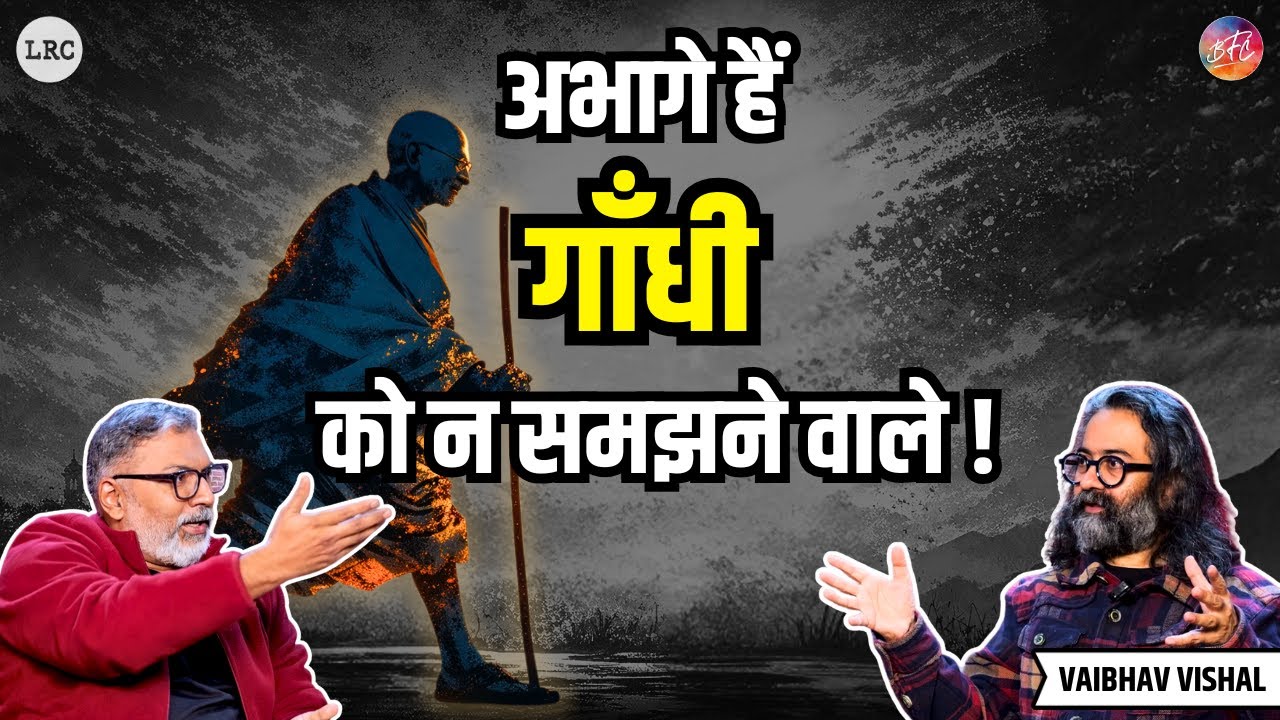
In this episode of LRC with Nitin Sukhija, screenwriter and Dialogue Writer Vaibhav Vishal, known for his work on Scam 1992 , Inside Edge, Rana Naidu , Shekhar Home, and the upcoming Gandhi series, opens up about the changing landscape of Indian Cinema and OTT storytelling. We discuss why dialogues today often lack punch and emotional gravitas, how the stature and ideological depth of Bollywood Villains have steadily declined, and what this says about our narratives as a society. The conversation also explores the rise of OTT platforms, the growing dependence on Gaali Culture as a substitute for strong writing, and the increasing hostility towards figures like Mahatma Gandhi in Modern Indian Politics . Along the way, Vaibhav Vishal reflects on his own creative journey, writing for complex characters, and even unpacks cultural curiosities like why many Biharis use two names.
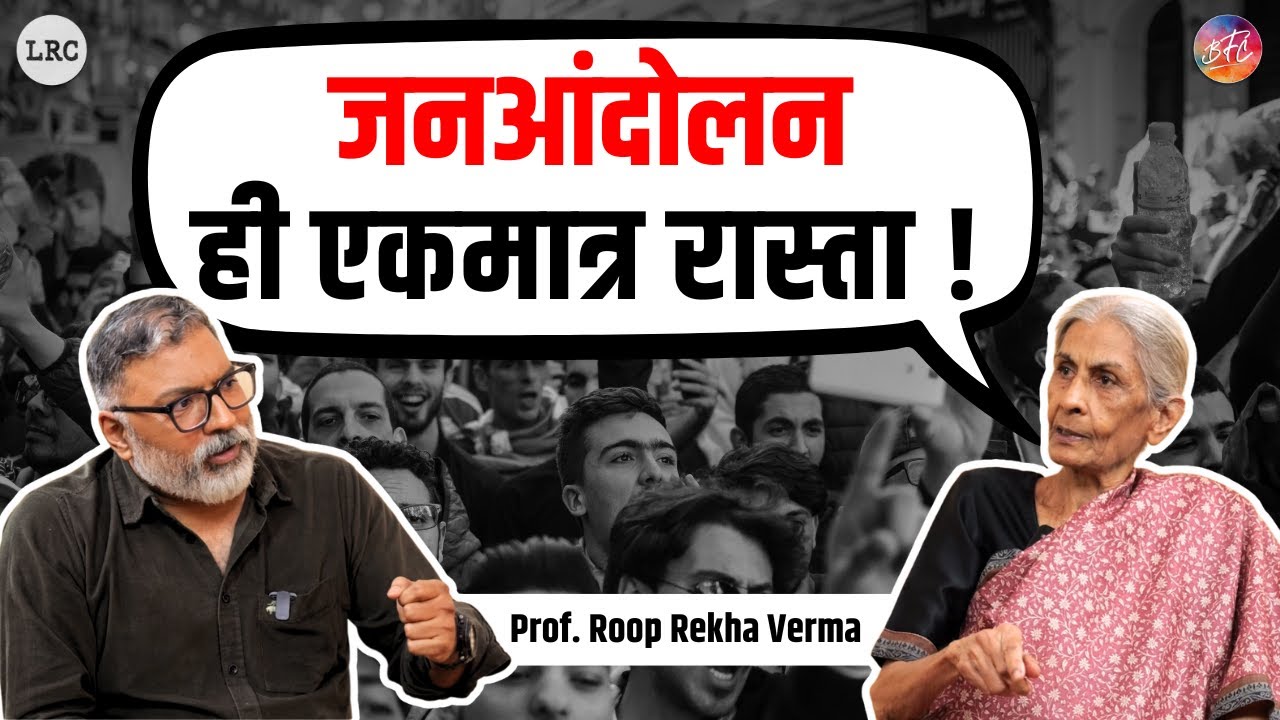
In this episode of Left Right Centre with Nitin Sukhija, we speak with Professor Roop Rekha Verma , a renowned philosopher, former Vice-Chancellor of Lucknow University, women’s rights advocate, and founder of Saajhi Duniya. Even in her 80s, she remains a fearless voice against social injustice, fighting for gender equality, secular values, and democratic freedoms.
Our conversation explores how Religion & Politics have deeply influenced today’s education system, how propaganda shapes young minds, and why Dissent is being increasingly silenced. Prof. Verma also recounts the time she was labelled a communist by hooligans while serving as VC, and reflects on humour and satire as tools of resistance. She also mentions why non-violent janaandolan (people’s movements) is essential in times of Government Oppression , and how standing up for truth remains her lifelong commitment.
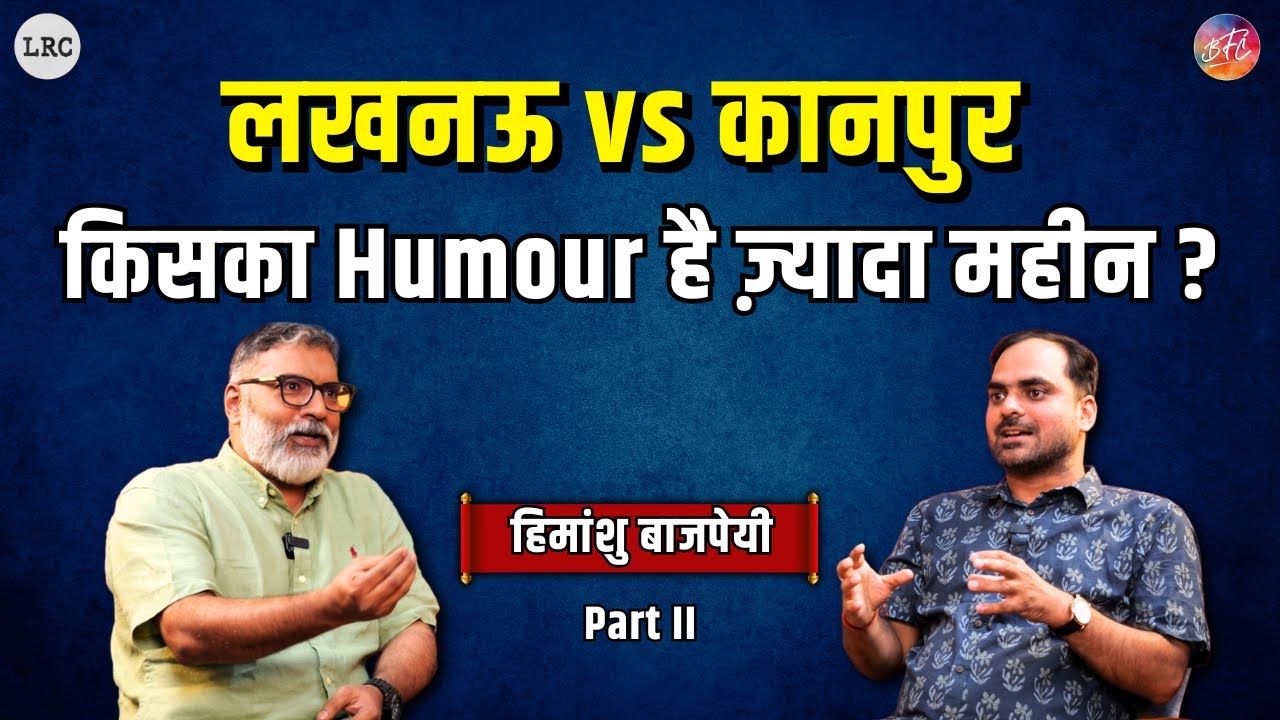
Welcome to Part 2 of our conversation with Lucknow’s celebrated storyteller Himanshu Bajpai on Left, Right with Nitin Sukhija, Centre. In this episode, we continue exploring the charm of Lucknow through Unheard Stories of Lucknow and timeless लखनऊआ क़िस्से that only Himanshu can narrate with such warmth and detail. Himanshu talks about the art of Qissagoi itself, how stories travel through generations, and why certain tales still live in the gullies of old Lucknow.
The discussion moves into the playful differences between the humour of Lucknow and Kanpur and how each city jokes, teases, and expresses wit in its own unique way. Himanshu also reflects on the shift from old to new Lucknow and explains why he believes Gomti Nagar is just a part of the city, not its cultural soul. If you watched the first part, this continuation brings deeper insights, richer nostalgia, and more of Himanshu’s storytelling magic
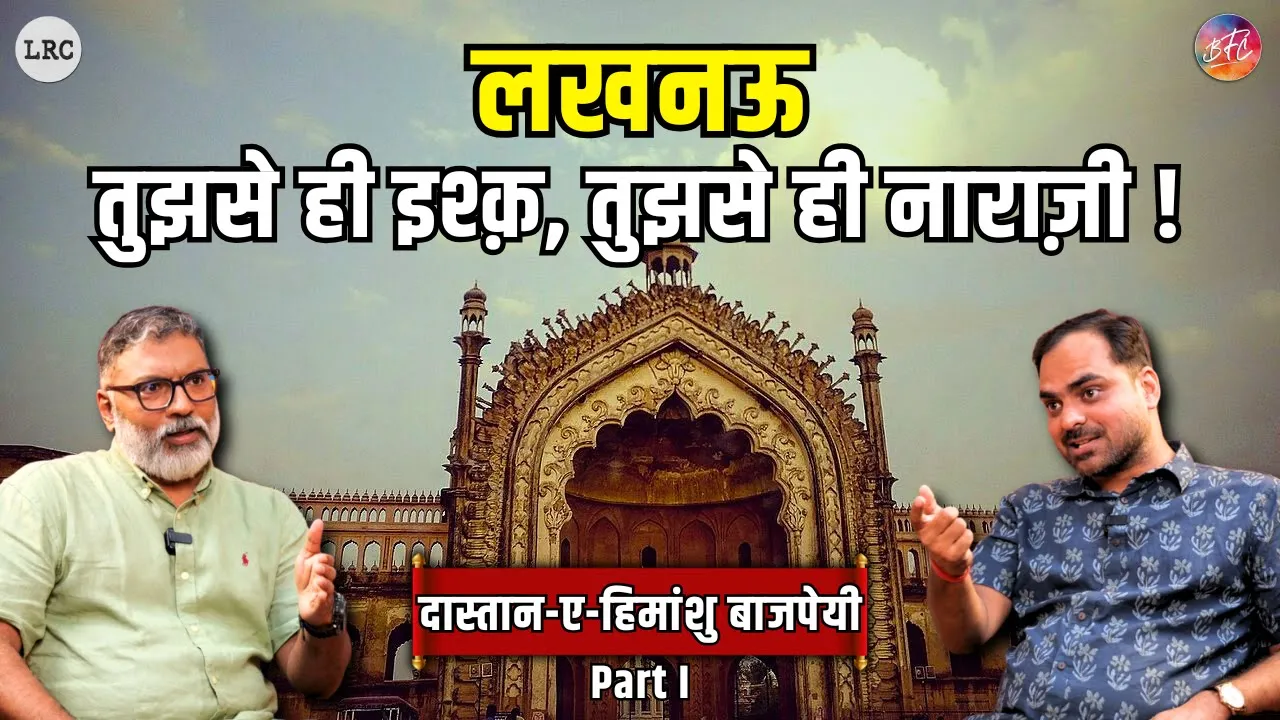
In this episode of Left, Right, Centre with Nitin Sukhija, we sit down with storyteller, writer, and dastango Himanshu Bajpai , a man whose heart beats for लखनऊ but who also feels a deep restlessness about what the city is becoming. Known for reviving the art of Dastangoi , Himanshu brings alive the Lucknow of tehzeeb, culture, and history, and questions how it has changed over the years.
In this candid and emotional conversation, he talks about his love for लखनऊ, his inspiration Yogesh Praveen, and the timeless charm of the city that shaped his identity. From the पुराना लखनऊ to the नया लखनऊ, from Munshi Nawal Kishore’s literary legacy to the fading echoes of a once-glorious tehzeeb, this episode captures the soul of लखनऊआपन .
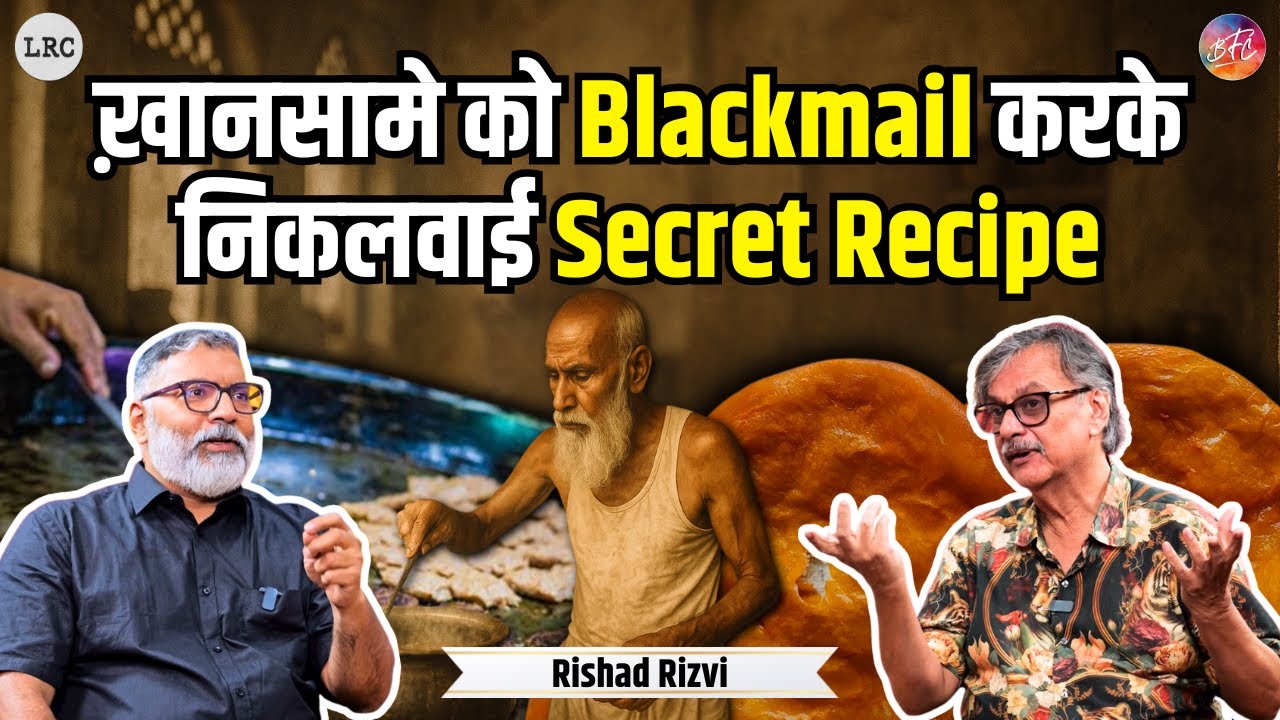
In this episode of Left, Right, Centre with Nitin Sukhija, we meet Rishad Rizvi - a doctor by degree, an artist by soul, and a storyteller who bridges Bollywood and Awadhi cuisine with effortless charm. From managing Shooting Locations in Lucknow to reviving Lost Recipes from royal kitchens, Rishad takes us on a journey through cinema, culture, and unforgettable food in Lucknow.
He shares behind-the-scenes tales from Bollywood, his love for Galawati Kebab and Nihari, and the art of authentic Awadhi cuisine recipes that define the best food in Lucknow. Whether it’s the debate over the nihari recipe, the legacy of the galawati kebab recipe, or the magic of the street food Lucknow is famous for - this episode serves nostalgia, flavour, and history on one delicious plate.
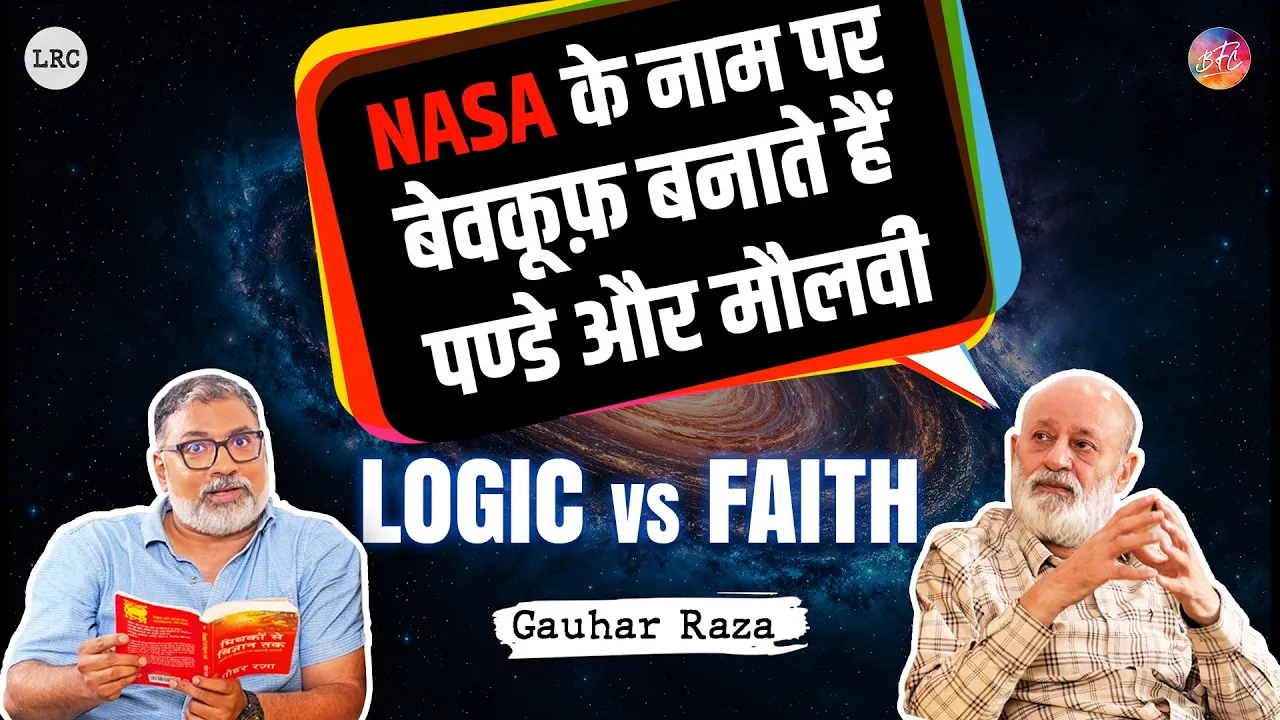
In this episode of Left, Right with Nitin Sukhija, Centre, renowned Indian scientist, writer, social activist, and documentary filmmaker Gauhar Raza examines the origin and Evolution of the Universe and the intricate relationship between Science, Religion, Politics, and technology.
From the Big Bang and evolution to the role of faith and rationality in shaping modern India, the discussion explores whether Indians truly lack a scientific temperament and how political forces influence our understanding of knowledge itself. Gauhar Raza reflects on how science and society are inseparably linked, urging us to think critically about what we know and why we believe it. This wide-ranging dialogue invites viewers to question assumptions, embrace inquiry, and recognise that the story of the universe is a shared human journey.
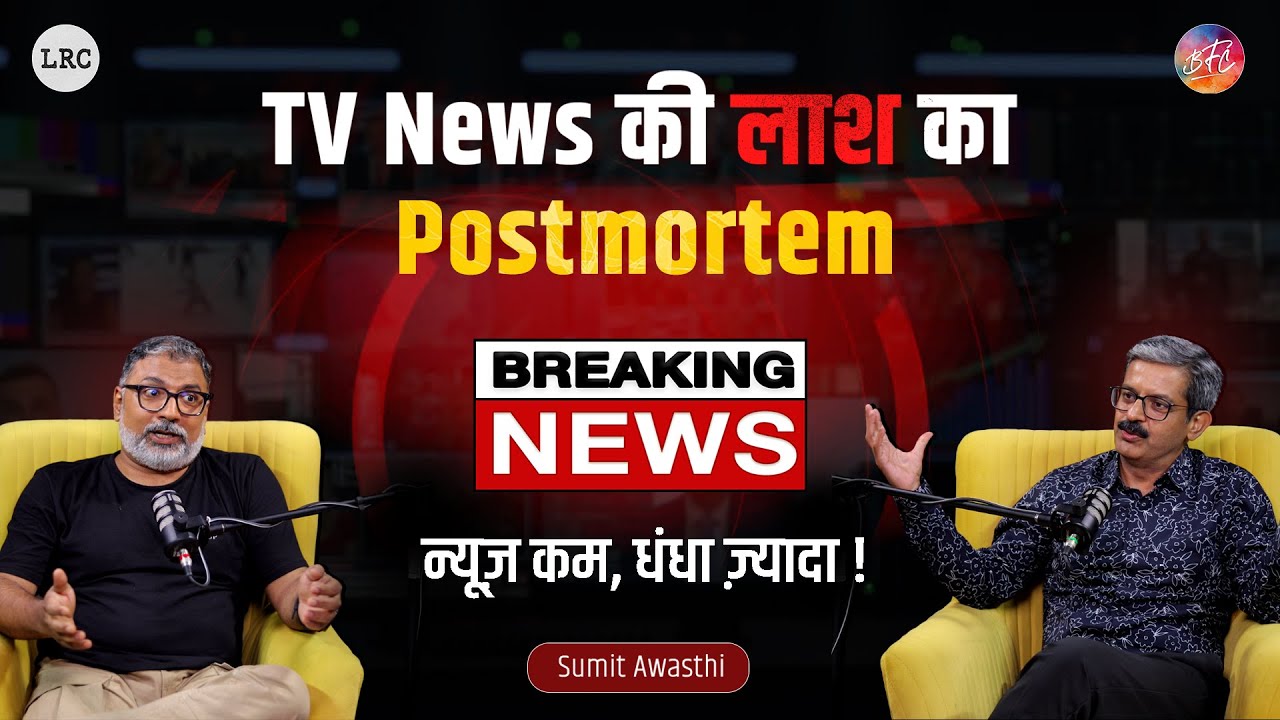
In this episode of Left, Right, Centre, we are joined by Sumit Awasthi , a celebrated journalist who has worked as a TV News Anchor for channels such as Zee News, Aaj Tak, and News18 India. He is one of the few journalists who does not hesitate to call out what is wrong in the Indian Media . Sumit discusses how news reporting has increasingly become influenced by propaganda and Godi Media , rather than by true journalism. He also shares his feelings of betrayal regarding the Anna Andolan, which he explores in his book titled "Unfinished." Additionally, he discusses how news channels operated in the early 2000s and how journalism lost its seriousness once TRP became a significant factor in determining their success.
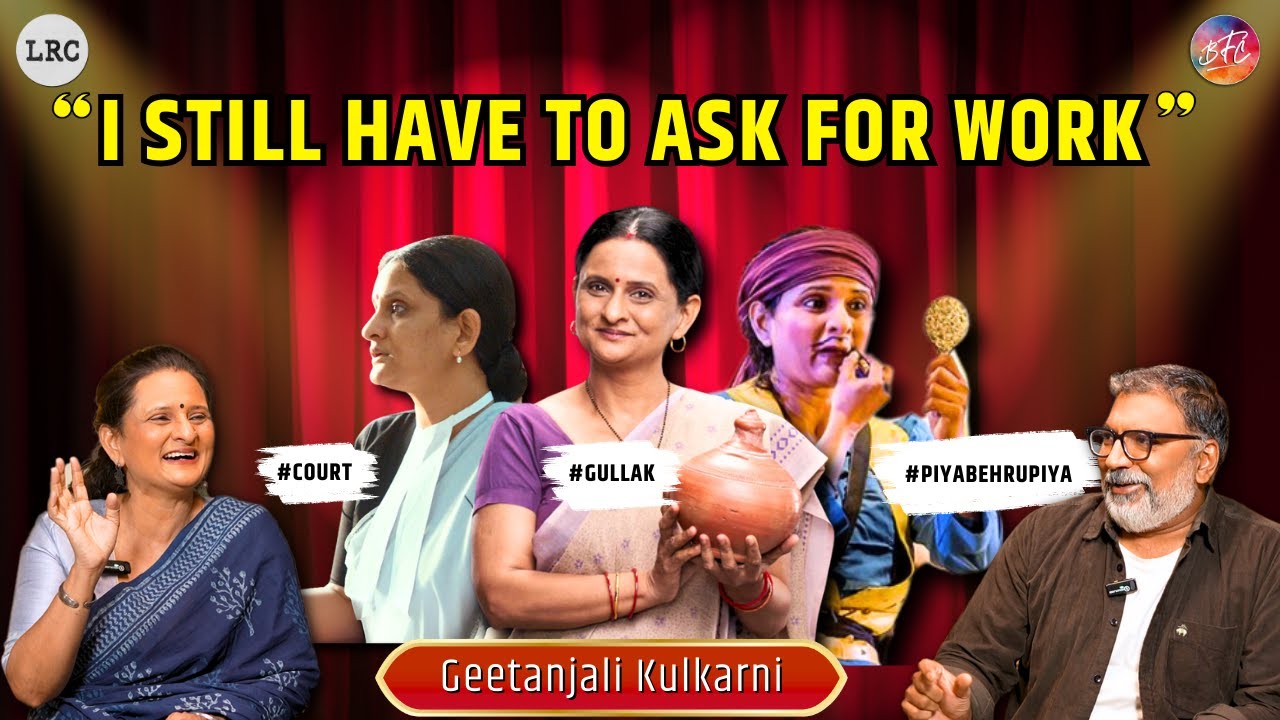
" Annu Ki Mummy Sunti Ho! " Who doesn't recognise this beloved character from the Gullak series? In this episode of Left, Right, Centre, we sit down with Geetanjali Kulkarni , aka Shanti Mishra from Gullak herself. She is a household name adored by many for her simplicity and unique quirks. In this conversation, Geetanjali opens up and shares unheard stories from her personal life, reveals behind-the-scenes details from Gullak Season 4 , and shares what we can expect in Sony LIV 's Gullak Season 5. Additionally, she discusses her other projects, including Khauf , Court , and Aarya; the rise of OTT, as well as her love for Marathi theatre and culture. Furthermore, she shares her experiences at the National School of Drama (NSD) and her relationship with her actor husband, Atul Kulkarni.
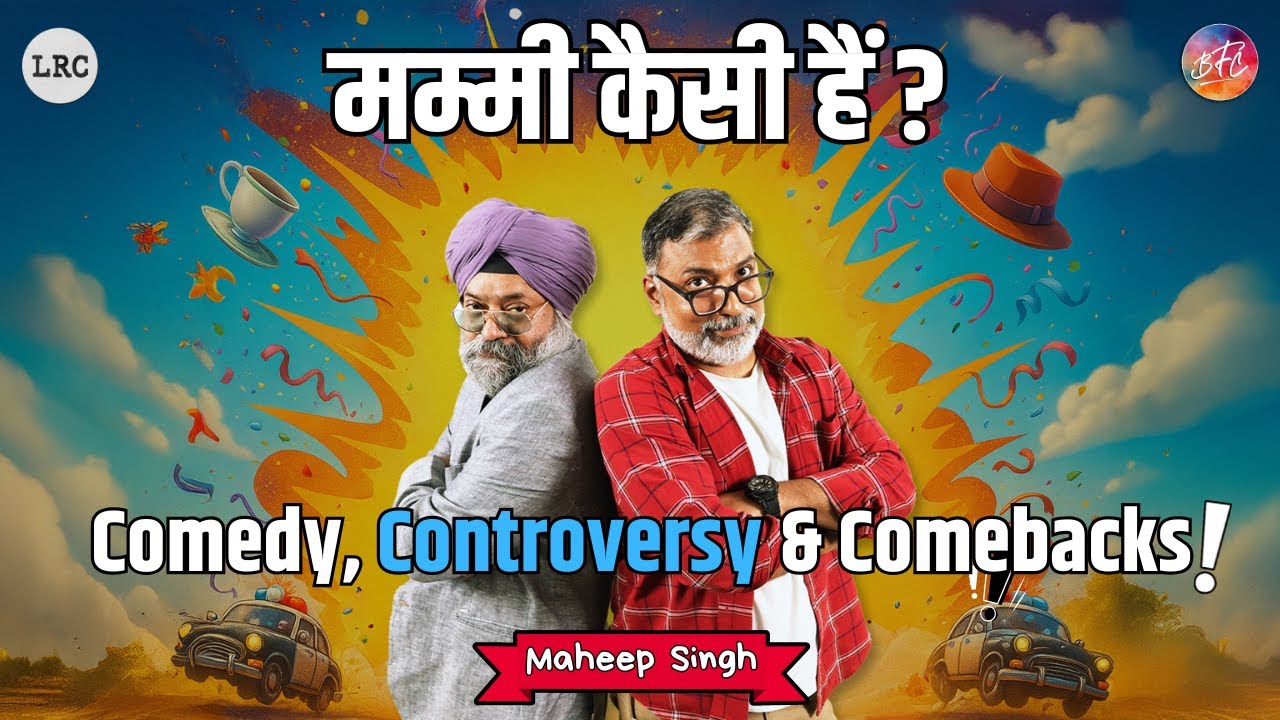
If fun is what you're looking for, this 'very funny' episode of Left, Right, Centre will surely make you laugh, as comedian Maheep Singh joins us for a hilarious conversation, where he gets candid about his life and journey into Stand-Up Comedy . He opens up about the Mummy Kaisi Hain joke , shares why he became a stand-up comedian, and talks about the latest trends in Indian Stand-Up Comedy. Additionally, he reflects on the reasons behind the cancellation of his show and how Cancel Culture in India has impacted creative expression.
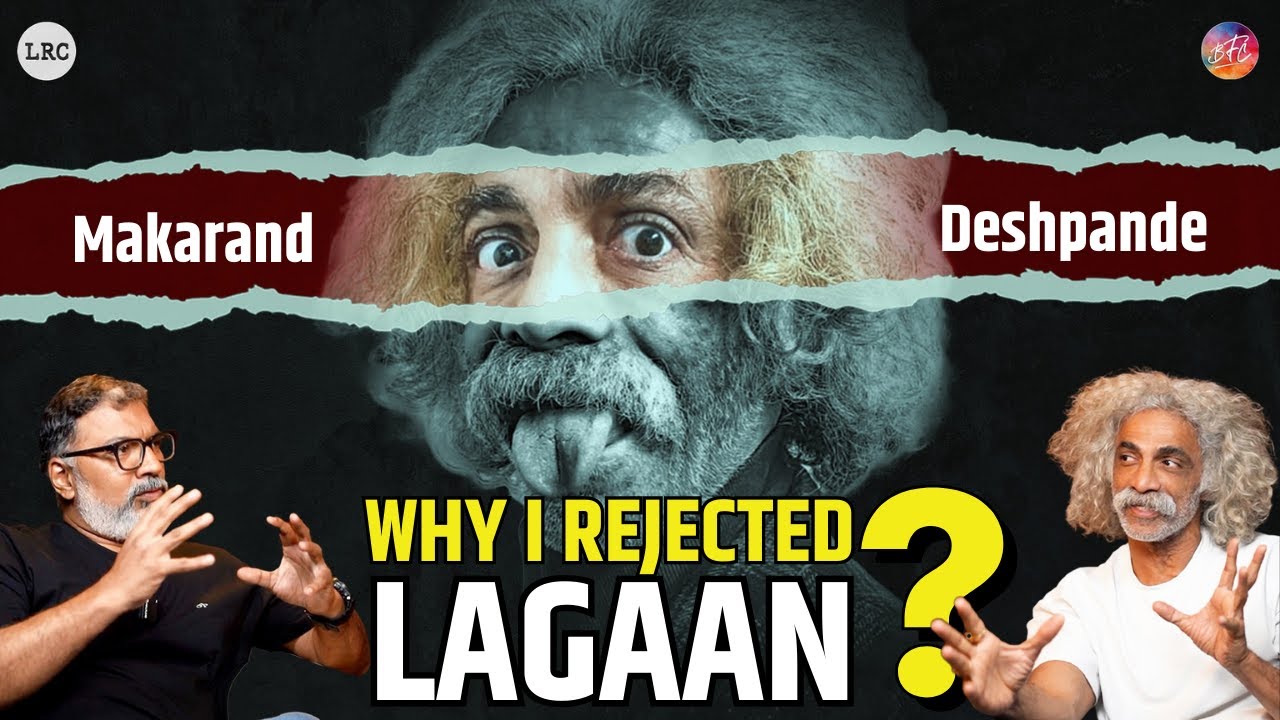
In this episode of Left Right Centre (LRC) with Nitin Sukhija, we sit down with Makarand Deshpande , a renowned Indian actor, writer, and director, whose work spans Hindi, Kannada, Marathi, Telugu, Tamil, and Malayalam films, and Indian theatre . Makarand reflects on his long-standing theatre legacy through plays like Sir Sir Sarla , Mind Transit, and Einstein. He shares his inspiring journey and stories from Bollywood classics like Satya, Makdee, Sarfarosh, Swades , Jungle, Khatta Meetha, Junglee, and his regional gems like Daagdi Chaawl, Dandupalya, and Ponniyin Selvan (PS-2). He also opens up about Rejecting Lagaan, and what it was like working with legends like Shah Rukh Khan , Aamir Khan, Ashutosh Gowariker, Ram Gopal Verma, and Mani Ratnam . He also mentions his recent global leap into Hollywood with Monkey Man, and what it meant for him to represent Indian talent at the Cannes Film Festival. We also tackle deeper conversations about the role of artists in activism, and whether every stage artist must also become an activist.
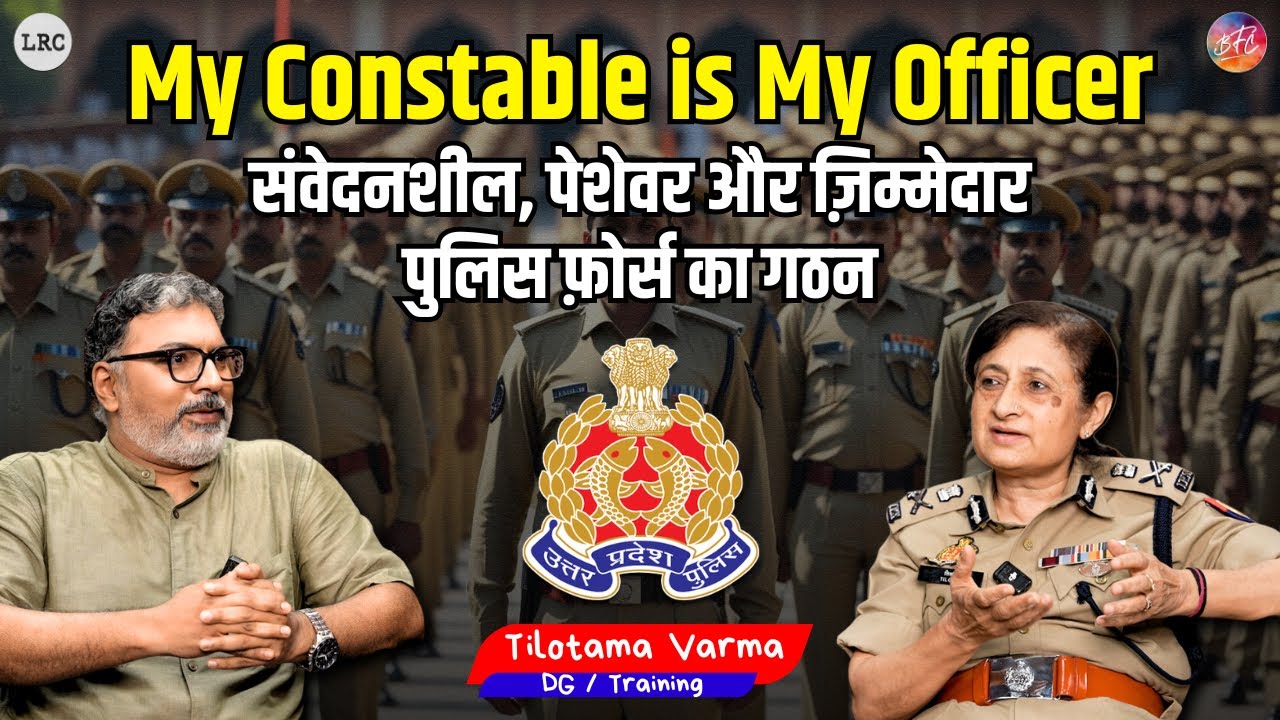
In a world where police brutality and corruption often dominate headlines, is it still possible to build a police force the public can trust? In this episode of Left, Right, Centre, we sit down with IPS Officer Tilotama Varma , currently serving as DG, Training, Uttar Pradesh Police. She shares her remarkable journey as a Female IPS Officer , breaking deep-rooted stereotypes faced by women in uniform. From the emotional and physical challenges of policing to recounting a time when she had to sleep with an AK-47 beside her child, her story is one of resilience, courage, and Women Empowerment . We also explore how the relationship between law enforcement and the community has become increasingly strained, and what it will take to repair that trust. Can a more sensitive, professional, and accountable police force be built? Can community policing, diversity training, and stronger accountability measures truly help? Tilotama Varma offers insights into how the system can transform and why it must.
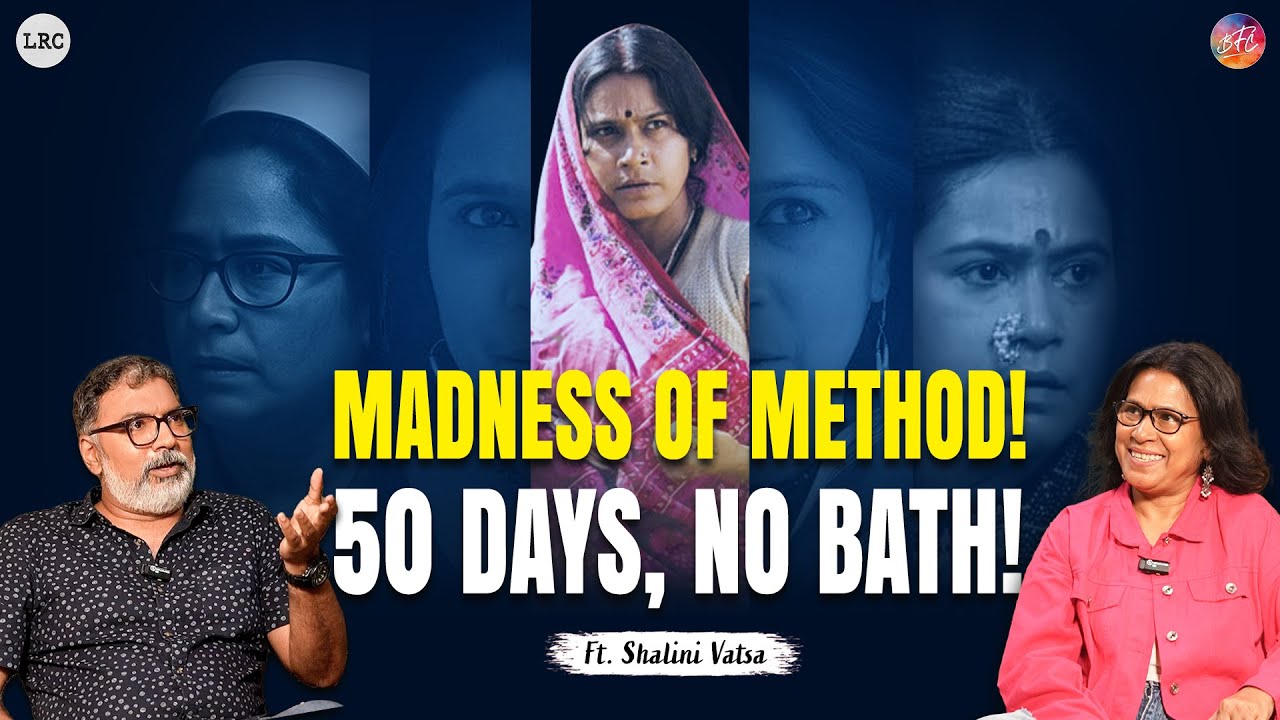
we sit down with the fiercely talented and refreshingly honest Shalini Vatsa for a wide-ranging conversation that’s as gripping as her performances. From giving voice to the middle-class women on screen, to the extreme lengths she went for authenticity - like spending 50 days without a bath for her unforgettable role as Dhaniya in Peepli Live - Shalini brings raw insight and unfiltered passion to the table. We trace her artistic journey back to the stage, where she trained and performed under theatre legends like Habib Tanvir and Barry John , and reflect on the defining moments of her career - including the surreal experience of attending the Cannes Film Festival for the screening of her film Homebound . She also opens up about the haunting world of Khauf , the chaotic charm of Ludo , and the gritty realism of Gurgaon and Sacred Games . This is more than an interview - it’s a deep dive into a life lived through powerful storytelling.
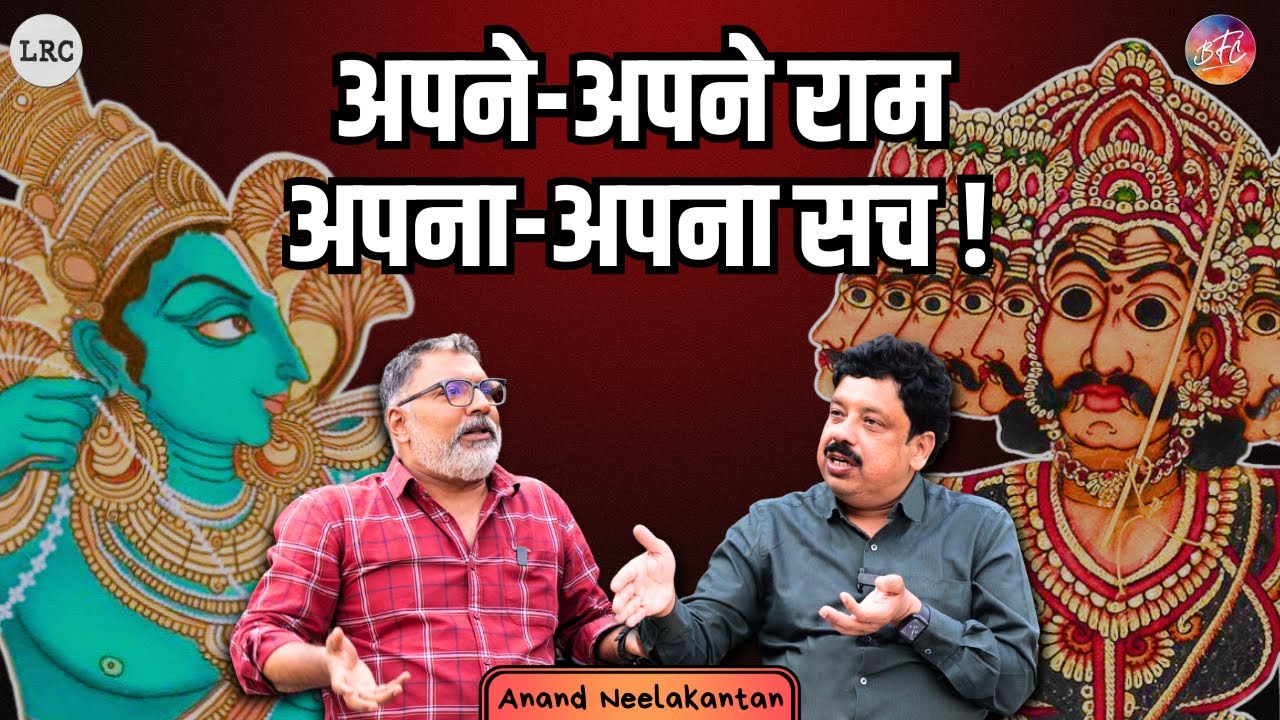
we are joined by renowned author Anand Neelakantan - a storyteller who dares to question dominant narratives, be it Rama and Ravana , or Kauravas and Pandavas. Best known for retelling epics from the perspective of the vanquished, Anand takes us through the journey of his celebrated works: Asura : Tale of the Vanquished, Ajaya: Roll of the Dice, Ajaya: Rise of Kali, Vanara , and the Bahubali trilogy and its connection with SS Rajamouli’s blockbuster film by the same name. (Venue courtesy - Nainital Literature Festival) The conversation dives deep into the concept of multiple truths and how mythology is not one linear narrative but a tapestry of perspectives. What happens when we hear Ravana's story? What does the Mahabharata look like from Duryodhana’s eyes? Through his books, Anand challenges the mono-narrative lens and instead invites us to explore the multi-narrative richness of Indian storytelling traditions. We also discuss his work as a screenwriter for Bahubali and other shows like Siya Ke Ram, Chakravartin Ashoka Samrat, Swaraj, Adaalat, etc, and how storytelling transforms when written for the screen versus the page.
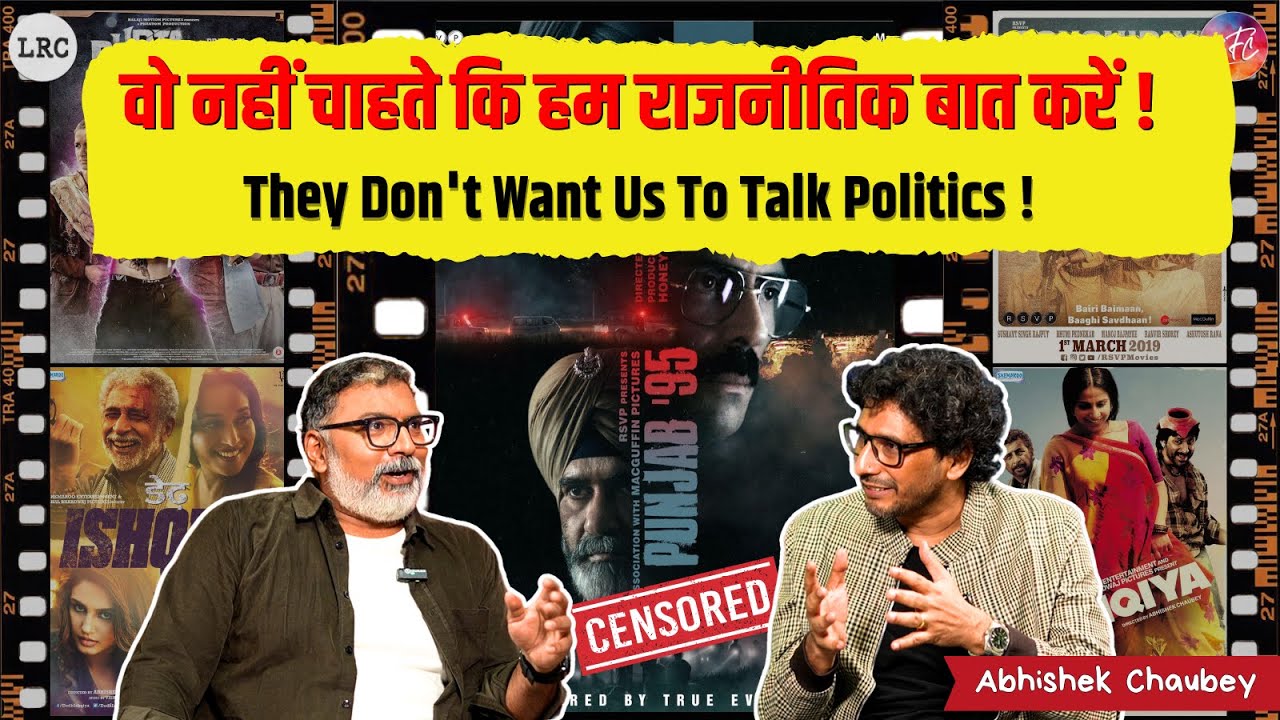
we sit down with acclaimed director Abhishek Chaubey to discuss his latest project, Punjab 95 , and the challenges he faced with the Censor Board . Get exclusive insights into the making of the film, the vision behind it, and the controversies that surrounded its release. Abhishek Chaubey also opens up about working with Vishal Bharadwaj for Omkara, making Ishqiya and Dedh Ishqiya , starring Diljit Dosanjh and the role of OTT among other aspects of Indian Cinema . The conversation also delves into his long-standing creative equation with Vishal Bhardwaj and reflects on the middle-of-the-road cinema and the future of storytelling in India.
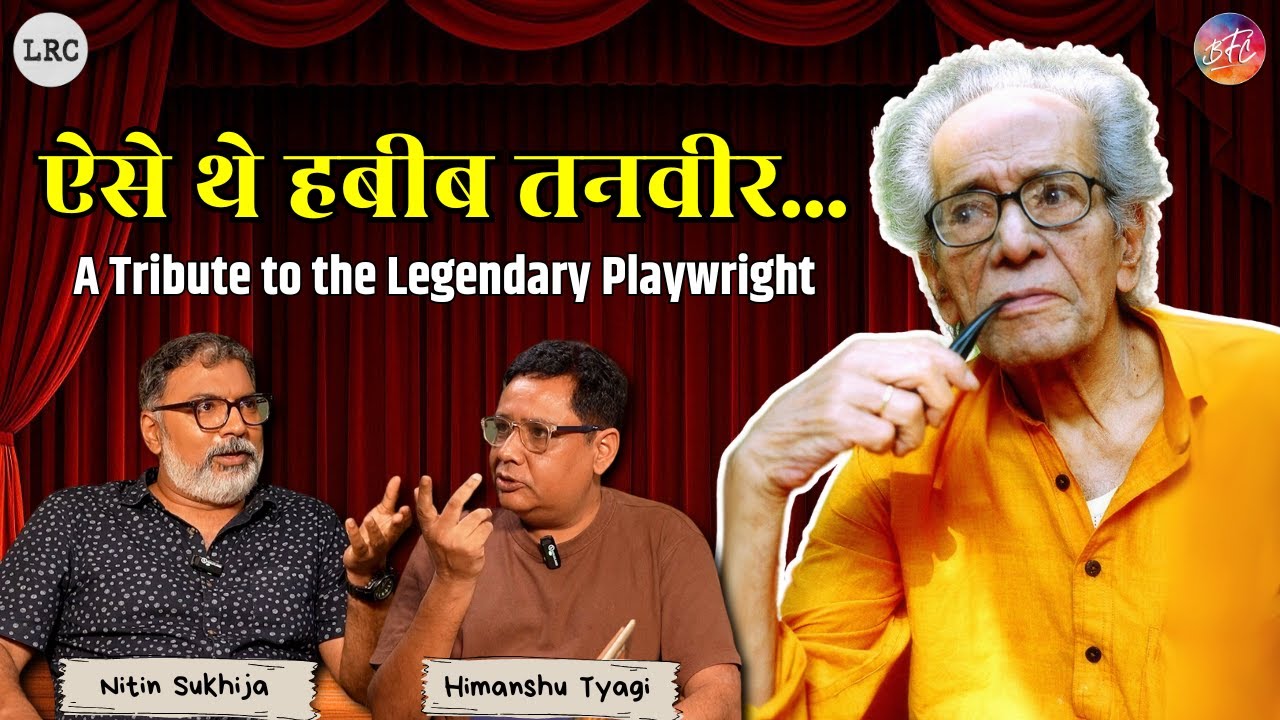
we pay tribute to the legendary theatre maestro Habib Tanvir on his death anniversary, June 8th. Joining us is Himanshu Tyagi , theatre artist, writer, and former associate of Tanvir, who shares rare insights and personal anecdotes from his time working alongside the iconic playwright, director, poet, and producer. We revisit some of Tanvir’s most influential plays like Agra Bazaar, Dekh Rahe Hain Nayan, and Raj Rakt, and delve into the legacy of Naya Theatre , the pioneering touring company he founded in 1959. This episode highlights how Tanvir’s collaboration with Chhattisgarhi folk artists led to a revolutionary new idiom in Indian theatre - one that struck a deep chord with audiences through timeless productions like Charandas Chor.
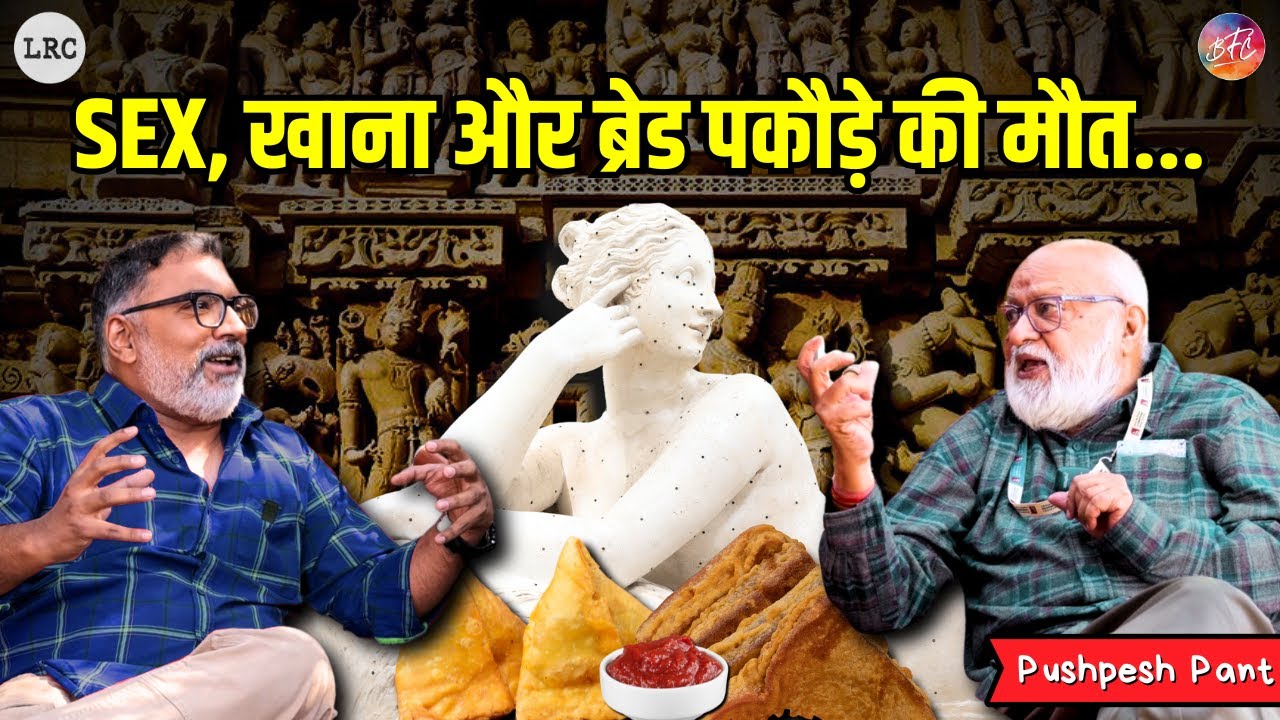
Pushpesh Pant, a renowned Food Critic, Indian academic, columnist, historian, and one of India's leading experts on International Relations. This discussion takes place at the Nainital Literature Festival, where Pushpesh Pant explores the deep, emotional, and often absurd world of food in India. From the moment we are born until the day we leave this world, food accompanies us. He reflects on how food has evolved beyond a basic need; it has become a matter of ego, a battleground for politics, and a canvas for cultural shifts. He discusses the emergence of new food trends such as Kumaoni Food and Free-Meal Influencers , and notes how traditional snacks like bread pakora and samosas are gradually fading away, replaced by the growing popularity of momos and other steamed delicacies. He also emphasises that Food and Sex are the foundations of human existence - one nourishes the body, while the other ensures the future. The conversation then shifts to his translation of Namita Gokhale's evocative novel, "Raag Pahadi," which is a deeply nostalgic tale of memory, loss, and the everyday rhythms of mountain life.
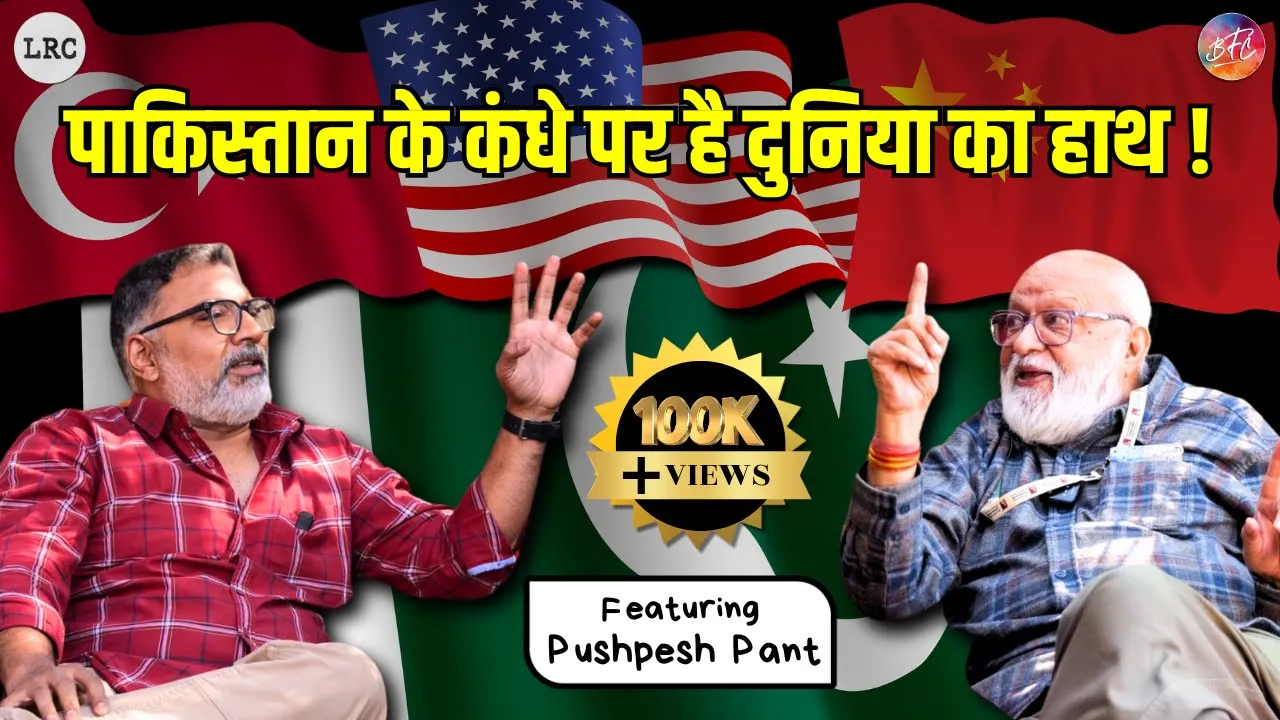
In this episode of Left, Right, Centre, we sit down with Pushpesh Pant, an Indian academic, historian, and one of India's leading experts on International Relations. This discussion takes place at the Nainital Literature Festival, where we explore the growing influence of global powers on South Asia and examine whether Pakistan truly receives support from the world's most powerful nations. We delve into the shifting global alliances and the evolving tripolar power structure dominated by three superpowers: the USA , China , and Russia . Additionally, Nitin Sukhija and Pushpesh Pant analyse significant terror attacks on India , such as those in Pulwama, Pahalgam, Uri, and Balakot, focusing on their geopolitical repercussions and the strategic responses they prompted.
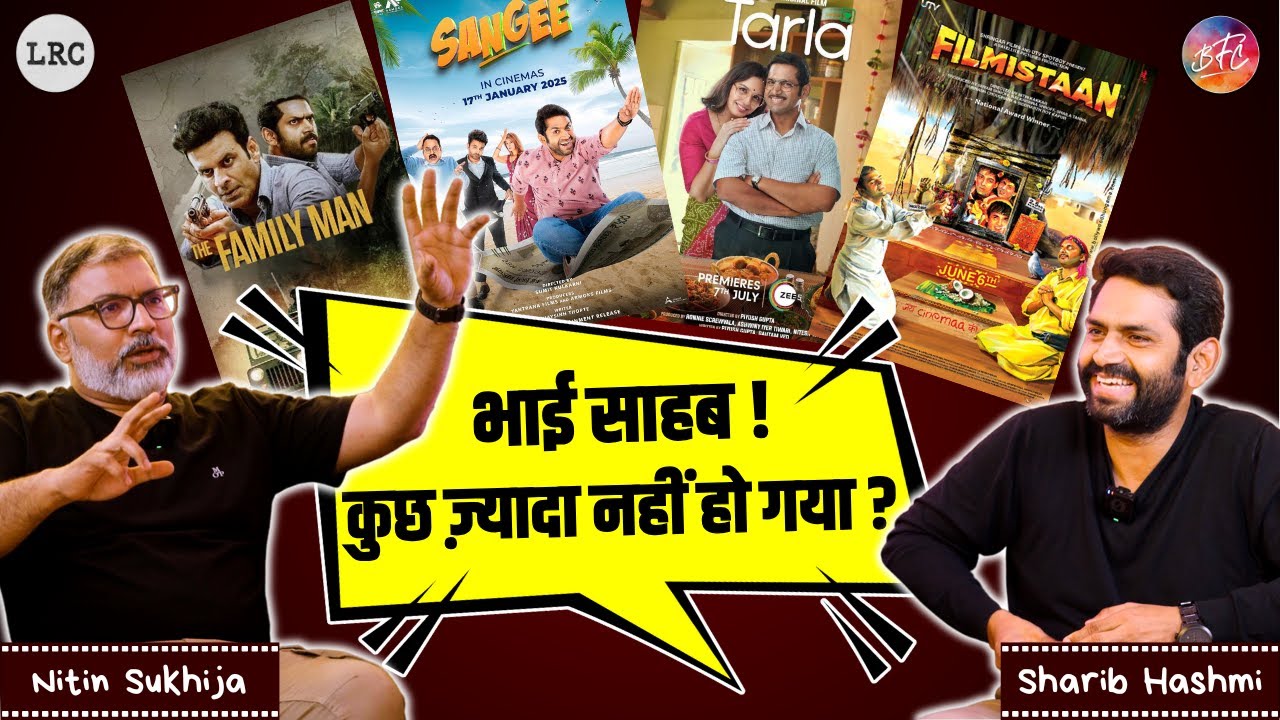
From sharing screen space with Shah Rukh Khan in Jab Tak Hai Jaan to winning hearts as Sunny in Filmistaan and becoming a fan favourite with The Family Man, Sharib Hashmi has carved a unique space for himself in the industry. In this candid conversation on Left Right Centre (LRC) with Nitin Sukhija, he takes us through his inspiring journey - his early days, including his stint in MTV Bakra, his struggles, his breakthrough moments, and the stories behind his most memorable roles. He opens up about working with stalwarts like Manoj Bajpayee in The Family Man and the challenges of the film industry, and even how he unexpectedly became a viral meme sensation! From heartfelt anecdotes to behind-the-scenes fun, this interview is packed with insights and laughter.
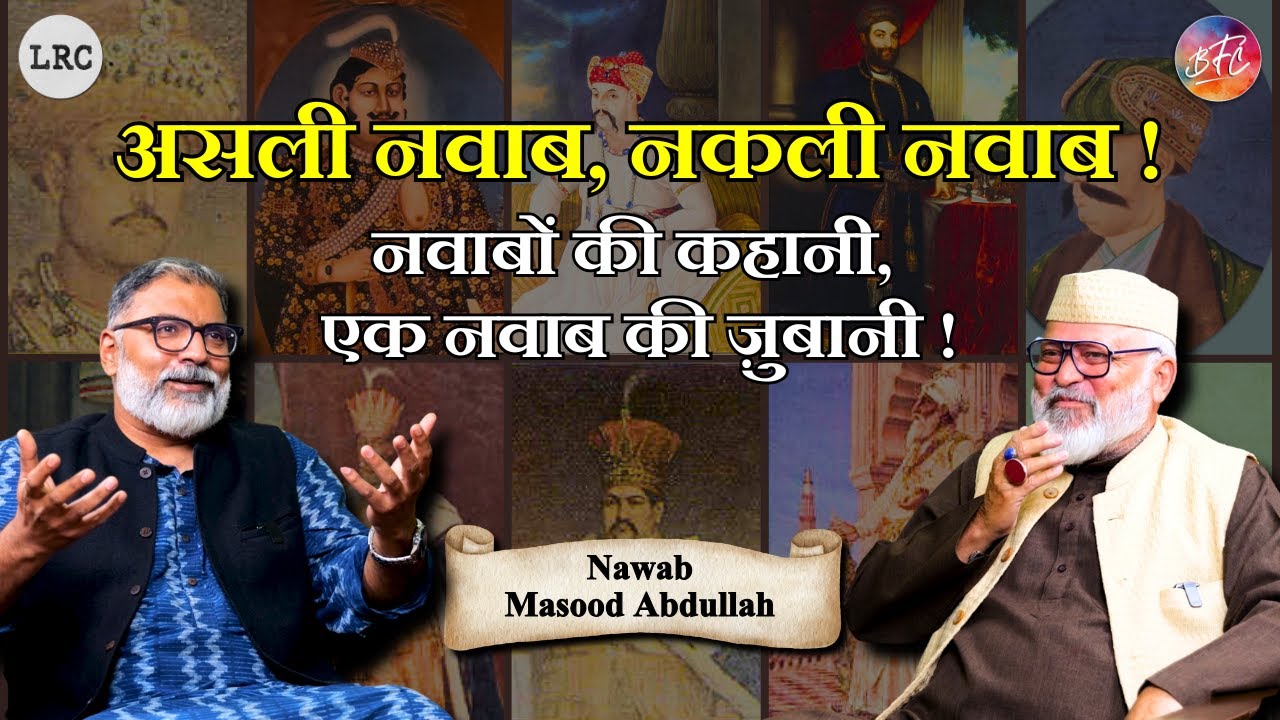
Step into the world of royal legacy and cultural elegance in this episode of Left, Right, Centre, as we speak with Nawab Masood Abdullah - a direct descendant of the Royal Nawabs of Lucknow. In this interesting conversation, he shares stories of his ancestral home, Sheesh Mahal, the rich tehzeeb of Lucknow, and the importance of preserving heritage in today’s fast-changing world. A passionate theatre enthusiast and actor in films like Gulabo Sitabo, Nawab Masood brings history to life through performance and personal narrative. He speaks passionately about Nawab Wajid Ali Shah, debunking colonial narratives that tried to defame him, and highlighting his deep love for both Hindus and Muslims - a true symbol of communal harmony. He also clears the air around royal claimants vs true lineage, discussing intriguing cases like Begum Wilayat and Princess Fay Jahan Ara, and sheds light on the confusion over who really belongs to the Nawabi bloodline.
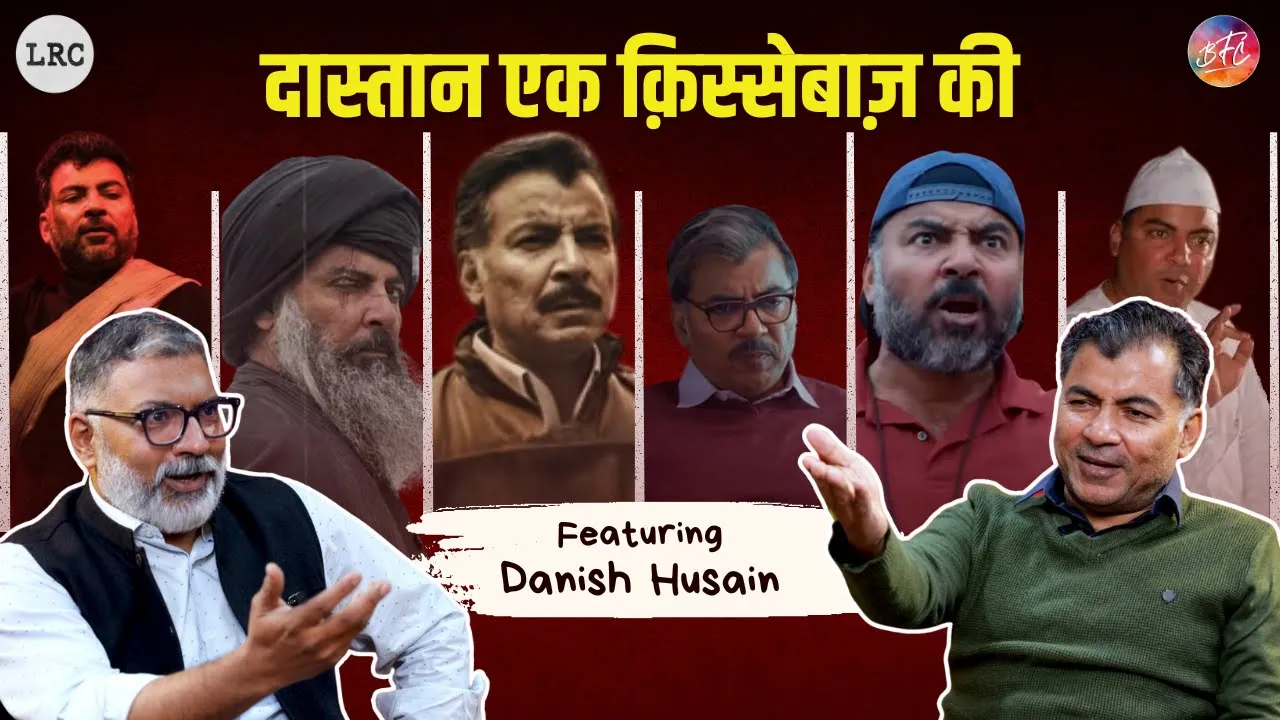
In this episode of Left, Right & Centre, we sit down with Danish Husain - actor, theatre artist, and storyteller - known for his riveting performances in Tanaav, Bard of Blood, Peepli Live, Soorma, and more. From his early days as a banker to making a name for himself in theatre and cinema, Danish shares his incredible journey of transformation. He talks about his passion for “qissebaazi” (the art of storytelling), his experiences working with legends like Barry John and Habib Tanvir, and his thoughts on the evolving landscape of Indian theatre and film. Join us for an insightful conversation filled with anecdotes, reflections, and a deep dive into the world of performing arts.
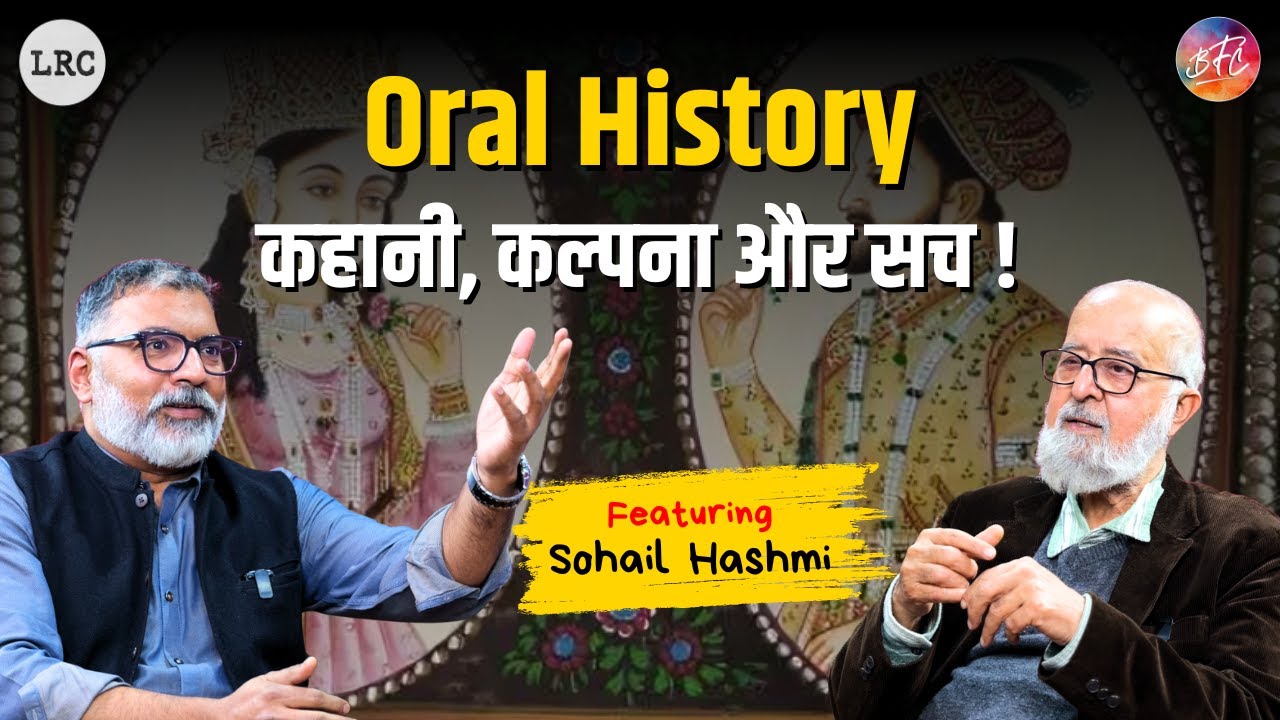
Oral history has played a crucial role in shaping our understanding of the past, but how reliable is it? In this compelling episode of Left Right Centre (LRC) with Nitin Sukhija, we sit down with historian, social activist, filmmaker, and heritage conservationist Sohail Hashmi to examine the power and pitfalls of oral traditions.
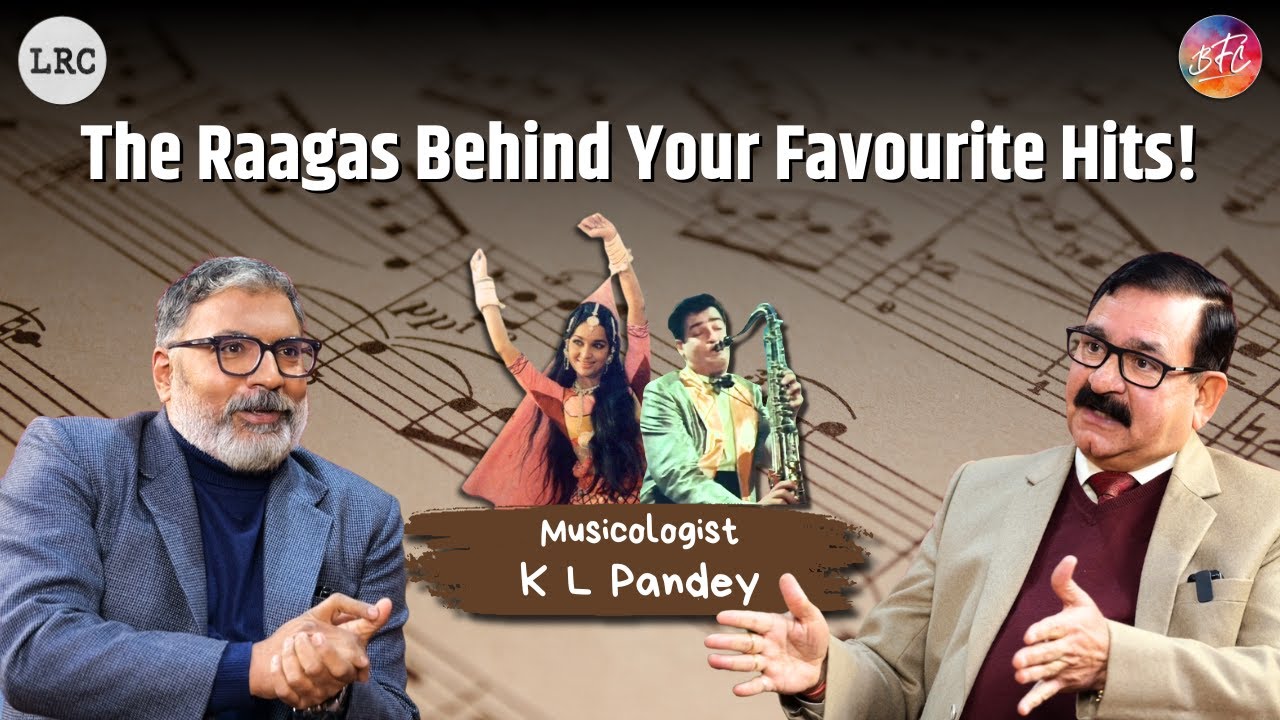
Rap: Music or Glorified Poetry? Has film music lost its soul, deteriorating from an art form to a conveyor belt of mass production? What Raagas lie hidden beneath your favourite chartbusters? Find the answers to these thought-provoking questions as we sit down with the renowned musicologist, poet, and storyteller, Shri KL Pandey, in this exclusive episode of Left Right Centre with Nitin Sukhija.